

Introduction
Losing weight can feel overwhelming, especially when you are unsure where to start. With so many workout routines and fitness trends available today, choosing the right approach becomes confusing. However, the truth is simple: the best exercises for weight loss are those that combine consistency, proper technique, and gradual progression. Whether you are a beginner or someone with some fitness experience, understanding the basics can make your journey much easier and more effective.
In this guide, you will discover practical and proven exercises that help burn calories, boost metabolism, and improve overall health. Instead of complicated routines, this article focuses on exercises that are easy to follow and suitable for different fitness levels. By the end, you will have a clear roadmap to start or improve your weight loss journey with confidence.
What is Best Exercises for Weight Loss?
The best exercises for weight loss refer to physical activities that help your body burn more calories than it consumes. These exercises increase your heart rate, build muscle, and improve metabolism, which ultimately leads to fat loss over time. They can include cardio workouts, strength training, and even simple daily movements like walking or climbing stairs.
It is important to understand that there is no single “perfect” exercise. Instead, the most effective approach combines different types of workouts. Cardio helps burn calories quickly, while strength training builds muscle, which increases your resting metabolic rate. Together, they create a balanced and sustainable weight loss strategy.
Why is Best Exercises for Weight Loss Important?

Choosing the best exercises for weight loss is important because it directly impacts how efficiently your body burns fat. Without proper exercise, weight loss becomes slower and less sustainable. Exercise not only helps you lose weight but also improves your energy levels, mental health, and overall well-being.
Additionally, the right exercises help prevent muscle loss during dieting. Many people focus only on cutting calories, which can lead to weakness and slower metabolism. By including effective workouts, you maintain muscle mass, which keeps your body strong and supports long-term weight management.
Detailed Step-by-Step Guide
Step 1: Start with Cardio Exercises
Cardio is one of the best exercises for weight loss because it burns a significant number of calories in a short time. Activities like brisk walking, jogging, cycling, and swimming are excellent choices for beginners.
Start with 20 to 30 minutes of moderate cardio at least 4 to 5 days a week. As your stamina improves, gradually increase intensity or duration. For example, you can switch from walking to jogging or add intervals of faster pace.
Step 2: Add Strength Training
Strength training is essential for building muscle, which helps burn more calories even at rest. Exercises like squats, push-ups, lunges, and dumbbell workouts are highly effective.
Aim for 2 to 3 strength training sessions per week. Focus on major muscle groups such as legs, back, chest, and arms. Beginners can start with bodyweight exercises before moving to weights.
Step 3: Include High-Intensity Interval Training (HIIT)
HIIT is a powerful method among the best exercises for weight loss. It involves short bursts of intense activity followed by brief rest periods. This method boosts calorie burn and improves fitness in less time.
For example, you can do 30 seconds of jumping jacks followed by 30 seconds of rest. Repeat this cycle for 15 to 20 minutes. HIIT is ideal for those who want quick and effective workouts.
Step 4: Stay Consistent with Daily Movement
Apart from structured workouts, staying active throughout the day plays a key role in weight loss. Simple habits like taking the stairs, walking more, or doing household chores can add up.
Consistency matters more than intensity. Even light activity done regularly contributes to calorie burn and supports your overall fitness goals.
Step 5: Track Progress and Adjust
Tracking your workouts helps you stay motivated and measure progress. You can note your workout duration, intensity, and how you feel after each session.
If you notice that your progress slows down, try increasing workout intensity or trying new exercises. Keeping your routine flexible ensures long-term success.
Benefits of Best Exercises for Weight Loss
- Helps burn calories efficiently
- Boosts metabolism and energy levels
- Improves heart health and endurance
- Builds muscle and strength
- Enhances mental health and reduces stress
- Supports long-term weight management
- Improves sleep quality and daily productivity
Disadvantages / Risks
- Risk of injury if exercises are done incorrectly
- Overtraining can lead to fatigue and burnout
- Lack of proper guidance may slow progress
- Unrealistic expectations can cause frustration
- Skipping rest days may affect recovery
Common Mistakes to Avoid
Many people make simple mistakes that slow down their progress. One common mistake is focusing only on cardio while ignoring strength training. This can lead to muscle loss and slower metabolism. Another mistake is expecting quick results without consistency, which often leads to disappointment.
Additionally, poor form during exercises can cause injuries and reduce effectiveness. Skipping warm-ups and cool-downs is another issue that affects performance and recovery. To get the best results, it is important to follow a balanced routine and stay patient throughout the process.
FAQs
1. How often should I exercise for weight loss?
You should aim to exercise at least 4 to 5 days a week. A mix of cardio, strength training, and flexibility exercises works best for consistent weight loss.
2. Can beginners follow these exercises?
Yes, these are some of the best exercises for weight loss designed for both beginners and intermediate levels. Start slowly and gradually increase intensity.
3. Is diet important along with exercise?
Absolutely. Exercise alone is not enough. A balanced diet plays a crucial role in achieving and maintaining weight loss results.
4. How long does it take to see results?
Results vary depending on consistency, diet, and effort. Most people start noticing changes within 3 to 4 weeks of regular exercise.
5. Is walking enough for weight loss?
Walking is a great starting point, especially for beginners. However, combining it with strength training and other workouts gives better results.
6. Can I lose weight without going to the gym?
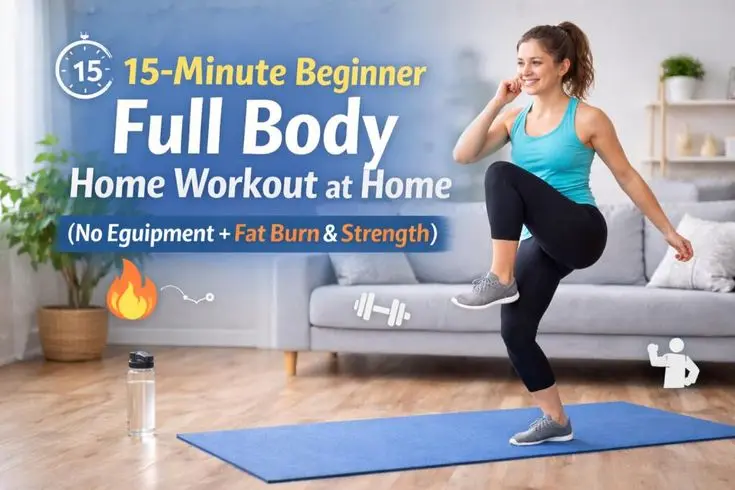
Yes, many of the best exercises for weight loss can be done at home, such as bodyweight exercises, cardio routines, and HIIT workouts.
Expert Tips & Bonus Points
To maximize results, focus on maintaining proper form during exercises. This not only prevents injuries but also ensures that the right muscles are being targeted. It is also helpful to set realistic goals, such as losing a small amount of weight each week, rather than expecting drastic changes.
Another useful tip is to stay hydrated and get enough sleep. Both factors play a major role in recovery and overall performance. Additionally, try to keep your workouts enjoyable by mixing different exercises. This prevents boredom and helps you stay consistent over time.
Conclusion
Achieving your weight loss goals does not require complicated routines or extreme measures. By focusing on the best exercises for weight loss, you can create a sustainable and effective fitness plan. The key is to combine cardio, strength training, and daily movement while staying consistent and patient.
Remember that progress takes time, and every small step counts. Instead of aiming for perfection, focus on building healthy habits that you can maintain in the long run. With the right approach, dedication, and mindset, you can transform your body and improve your overall health. Start today, stay committed, and let your journey toward a healthier lifestyle begin.
