

Introduction
A well-structured diet plan for weight loss is one of the most effective ways to improve your health, boost confidence, and increase daily energy levels. Many people struggle with weight management because they follow trends rather than sustainable habits. That is why having a clear and realistic approach is essential. Instead of focusing on quick fixes, a balanced diet combined with consistency can deliver long-term results.
In today’s fast-paced lifestyle, unhealthy eating habits have become common. Processed foods, irregular meal timings, and lack of portion control often lead to weight gain. However, adopting a proper diet plan for weight loss does not mean starving yourself. It is about choosing the right foods, understanding your body’s needs, and building habits that support gradual and healthy fat loss. This guide is designed to help beginners and intermediate readers create a simple yet effective plan.
What is Diet Plan for Weight Loss?
A diet plan for weight loss is a structured approach to eating that helps reduce body weight by creating a calorie deficit. This means consuming fewer calories than your body burns daily. The plan focuses on balanced nutrition, including proteins, carbohydrates, healthy fats, vitamins, and minerals, while limiting unhealthy foods.
It is not a one-size-fits-all solution. Each individual has different body types, metabolism rates, and lifestyle factors. Therefore, a successful diet plan for weight loss should be flexible, sustainable, and tailored to personal needs. The goal is not just weight loss but also maintaining overall health and preventing nutritional deficiencies.
Why is Diet Plan for Weight Loss Important?

Following a proper diet plan for weight loss is important because it directly impacts both physical and mental well-being. Excess weight can increase the risk of various health issues such as heart disease, diabetes, and joint problems. A balanced diet helps regulate blood sugar levels, improve digestion, and support better sleep patterns.
Moreover, having a structured eating plan helps build discipline and awareness about food choices. Instead of emotional or impulsive eating, you develop a mindful approach. Over time, this leads to sustainable weight management and improved self-confidence. A well-planned diet also supports fitness goals by providing the necessary nutrients for energy and recovery.
Detailed Step-by-Step Guide
Step 1: Set Realistic Goals
Start by setting achievable weight loss goals. Aim for gradual progress rather than rapid changes. Losing 0.5 to 1 kilogram per week is considered healthy. This helps maintain muscle mass and prevents burnout.
Step 2: Calculate Calorie Needs
Understanding your daily calorie requirement is essential. You need to create a slight calorie deficit to lose weight. Avoid extreme restrictions, as they can slow down metabolism and lead to fatigue.
Step 3: Focus on Balanced Nutrition
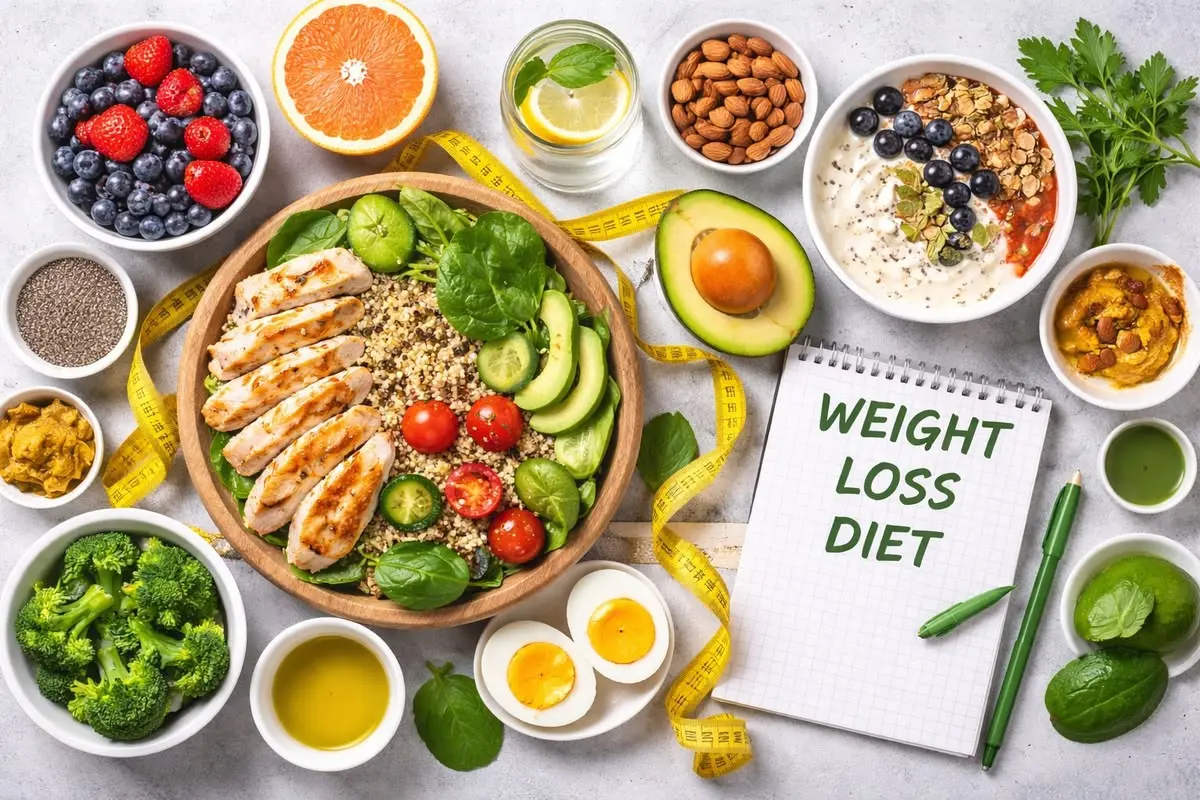
Include a variety of foods in your diet plan for weight loss. Your meals should contain:
- Lean proteins such as chicken, eggs, and legumes
- Whole grains like brown rice and oats
- Healthy fats from nuts and seeds
- Fruits and vegetables for fiber and vitamins
Step 4: Plan Your Meals
Meal planning helps avoid unhealthy choices. Prepare a weekly menu that includes breakfast, lunch, dinner, and healthy snacks. This keeps your eating routine consistent and controlled.
Step 5: Control Portion Sizes
Even healthy foods can lead to weight gain if consumed in large amounts. Use smaller plates, measure portions, and eat slowly to prevent overeating.
Step 6: Stay Hydrated
Drinking enough water supports digestion and helps control hunger. Sometimes thirst is mistaken for hunger, leading to unnecessary snacking.
Step 7: Limit Processed Foods
Reduce intake of sugary drinks, fast food, and packaged snacks. These foods are high in calories and low in nutrients, making weight loss more difficult.
Step 8: Combine with Physical Activity
While diet plays a major role, adding exercise enhances results. Even simple activities like walking or light workouts can improve fat loss and overall fitness.
Benefits of Diet Plan for Weight Loss
- Improves overall health and reduces disease risk
- Boosts energy levels throughout the day
- Enhances metabolism and digestion
- Supports better mental clarity and mood
- Helps build long-term healthy habits
- Increases self-confidence and body image
- Encourages mindful eating behavior
Disadvantages / Risks
- Extreme dieting can lead to nutrient deficiencies
- Skipping meals may slow metabolism
- Unsustainable plans can cause weight regain
- Over-restriction may trigger unhealthy eating patterns
- Lack of balance can result in fatigue and weakness
Common Mistakes to Avoid
Many people fail to achieve results because they make common mistakes in their diet plan for weight loss. One major mistake is following crash diets. These may give quick results, but they are not sustainable and often lead to weight regain. Another mistake is ignoring portion sizes, even when eating healthy foods.
Additionally, skipping meals or relying on supplements instead of real food can harm your body. Consistency is more important than perfection. Avoid comparing your progress with others, as each person’s journey is different. Focus on building habits rather than chasing short-term results.
FAQs
1. How long does it take to see results?
Results vary depending on consistency and body type. Most people start noticing changes within 2 to 4 weeks.
2. Can I lose weight without exercise?
Yes, a proper diet plan for weight loss can help reduce weight. However, exercise improves overall health and speeds up the process.
3. Is skipping meals effective for weight loss?
No, skipping meals can slow metabolism and lead to overeating later. Balanced meals are more effective.
4. Are cheat meals allowed?
Occasional cheat meals are fine if controlled. They help maintain motivation without affecting long-term progress.
5. What is the best diet for beginners?
A simple diet with whole foods, balanced nutrients, and portion control works best for beginners.
6. Can I eat carbohydrates while losing weight?
Yes, carbohydrates are essential for energy. Choose complex carbs like whole grains instead of refined ones.
Expert Tips & Bonus Points
Consistency is the key to success in any diet plan for weight loss. Instead of making drastic changes, focus on small improvements. For example, replace sugary drinks with water or add more vegetables to your meals. These simple changes can make a big difference over time.
Another important tip is to listen to your body. Eat when you are hungry and stop when you are full. Avoid emotional eating by finding alternative ways to manage stress, such as walking or reading. Keeping a food journal can also help track your habits and identify areas for improvement.
Conclusion
A successful diet plan for weight loss is not about strict rules or temporary changes. It is about building a healthy relationship with food and creating habits that last a lifetime. By focusing on balanced nutrition, portion control, and consistency, you can achieve your weight loss goals in a sustainable way.
Remember that progress takes time, and setbacks are part of the journey. Stay patient, stay committed, and make gradual improvements. With the right mindset and approach, a diet plan for weight loss can transform not only your body but also your overall lifestyle.
