

Introduction
A healthy diet plan is one of the most important foundations for maintaining good health, improving energy levels, and supporting long-term well-being. In today’s fast-paced lifestyle, many people rely on processed food, irregular meals, and un healthy eating habits, which gradually affect both physical and mental health. This is why understanding how to build a balanced and sustainable eating routine is essential for everyone.
A well-structured healthy diet plan is not about strict restrictions or starving yourself. Instead, it focuses on balance, portion control, and choosing nutrient-rich foods that fuel your body properly. Whether your goal is weight management, muscle gain, or simply improving overall health, the right approach to eating can make a huge difference in your daily life.
When you follow a proper healthy diet plan, your body receives the right combination of carbohydrates, proteins, fats, vitamins, and minerals. This balance helps improve digestion, boost immunity, enhance focus, and stabilize energy levels throughout the day. Over time, it also reduces the risk of chronic diseases such as diabetes, heart problems, and obesity.
Many beginners struggle because they think healthy eating is complicated. However, once you understand the basics and build a routine, it becomes simple and natural. This guide will help you understand everything step by step in a practical and easy way.
What is a Healthy Diet Plan?
A healthy diet plan is a structured approach to eating that ensures your body gets all essential nutrients in the right amounts. It includes a variety of foods such as fruits, vegetables, whole grains, lean proteins, and healthy fats while limiting processed and sugary foods.
The main purpose of a healthy diet plan is to maintain balance. It is not about removing favorite foods completely but about managing portions and making smarter food choices. For example, replacing fried snacks with baked options or sugary drinks with water can significantly improve health.
A healthy diet plan also varies from person to person depending on age, lifestyle, and health goals. An athlete may require more protein and calories, while someone trying to lose weight may focus on portion control and fiber-rich foods. This flexibility makes it suitable for everyone.
Why is a Healthy Diet Plan Important?

A healthy diet plan plays a crucial role in maintaining both physical and mental health. The food you eat directly affects your energy, mood, and long-term well-being. Poor eating habits can lead to fatigue, weakness, and various health issues, while a balanced diet improves overall performance.
One of the main reasons a healthy diet plan is important is because it helps prevent chronic diseases. Eating nutrient-rich foods strengthens the immune system and reduces the risk of conditions like heart disease, diabetes, and high blood pressure. It also supports healthy weight management.
In addition, a proper healthy diet plan improves mental clarity and emotional stability. Foods rich in vitamins, minerals, and omega-3 fatty acids support brain function, helping you stay focused and productive throughout the day. This makes it essential not only for physical health but also for mental well-being.
Detailed Step-by-Step Guide
Step 1: Understand Your Body Needs
The first step in creating a healthy diet plan is understanding your body’s requirements. Everyone has different calorie needs based on age, gender, activity level, and goals. Knowing this helps you avoid overeating or under-eating.
You should also identify your personal goals such as weight loss, muscle gain, or maintenance. This will help you design a plan that fits your lifestyle instead of following random diets that may not work for you.
Step 2: Plan Balanced Meals
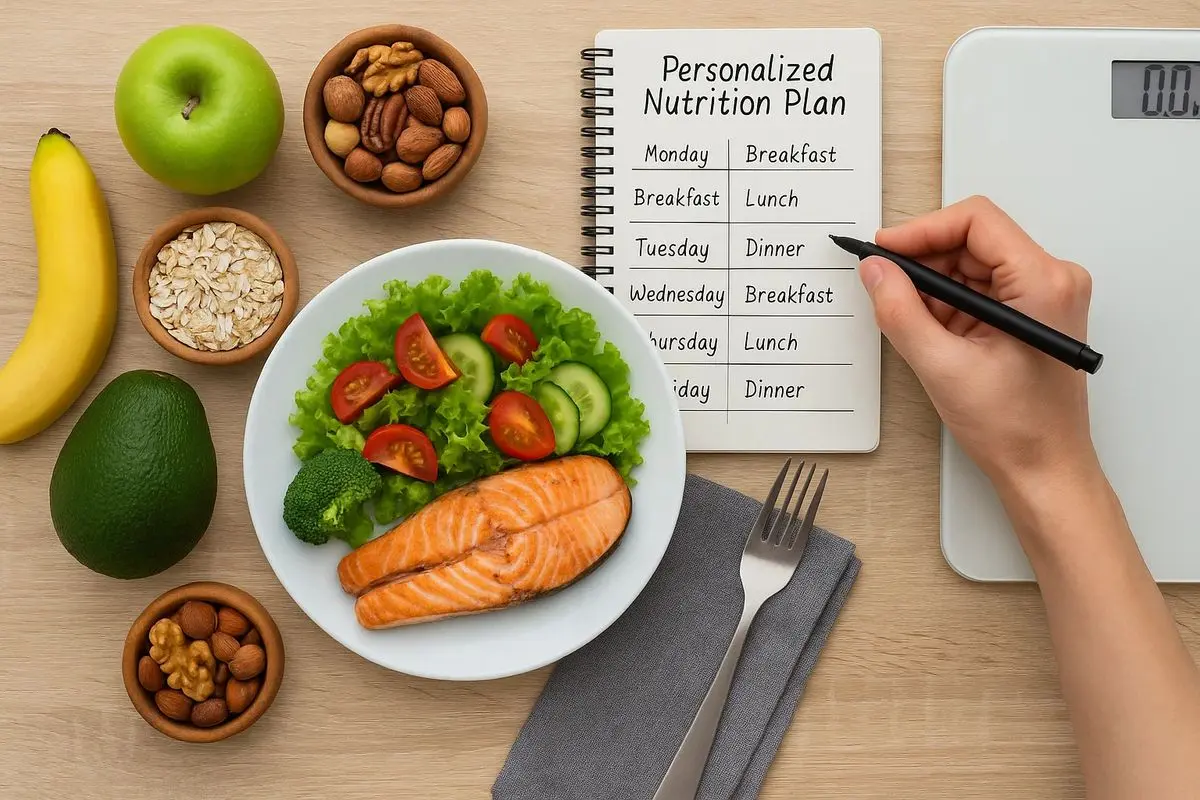
A balanced meal is the core of any healthy diet plan. Each meal should include carbohydrates for energy, protein for muscle repair, and healthy fats for overall function. Adding vegetables and fruits ensures you get essential vitamins and minerals.
Try to divide your plate into portions. Half should be vegetables, one quarter protein, and one quarter carbohydrates. This simple method helps maintain balance without complicated calculations.
Step 3: Focus on Whole Foods
Whole foods are natural and minimally processed. They include fruits, vegetables, whole grains, nuts, seeds, and lean meats. These foods are rich in nutrients and support better digestion and energy levels.
Avoid processed foods as much as possible. They often contain excess sugar, salt, and unhealthy fats that can harm your progress in following a healthy diet plan.
Step 4: Stay Hydrated
Water is an essential part of any healthy diet plan. It helps in digestion, nutrient absorption, and detoxification. Drinking enough water daily improves skin health and overall body function.
Aim to drink at least 6–8 glasses of water per day. You can also include herbal teas and natural fluids, but avoid sugary drinks.
Step 5: Maintain Consistency
Consistency is key when following a healthy diet plan. Results do not appear overnight, so it is important to stay committed. Small, consistent improvements are more effective than extreme short-term diets.
Try to build habits that you can maintain long term. This makes your healthy diet plan sustainable and effective.
Benefits of a Healthy Diet Plan
- Improves overall energy levels throughout the day
- Supports healthy weight management and fat control
- Strengthens immune system and reduces illness risk
- Enhances mental focus and cognitive performance
- Promotes better digestion and gut health
- Improves skin health and physical appearance
- Reduces risk of chronic diseases
- Supports better sleep quality and recovery
Disadvantages / Risks
- Requires consistency and discipline over time
- May feel restrictive for beginners initially
- Planning meals can take extra time
- Misunderstanding portions may affect results
- Social eating situations can be challenging
- Requires lifestyle adjustments for best results
Common Mistakes to Avoid
One of the most common mistakes people make is skipping meals, thinking it will help with weight loss. In reality, it slows metabolism and leads to overeating later. A proper healthy diet plan always includes regular meals.
Another mistake is relying too much on processed “diet” foods. Many products labeled as healthy still contain hidden sugars and additives. It is always better to choose natural and whole foods.
People also often ignore portion control. Even healthy foods can lead to weight gain if eaten in large amounts. Understanding balance is essential for success in any healthy diet plan.
FAQs
1. What is the best time to follow a healthy diet plan?
There is no perfect time, but consistency matters more. Following your healthy diet plan daily at regular intervals gives the best results.
2. Can I lose weight with a healthy diet plan?
Yes, a structured healthy diet plan helps create a calorie deficit while providing essential nutrients, supporting safe weight loss.
3. Do I need supplements in a healthy diet plan?
Not always. If your meals are balanced, you can get most nutrients naturally. Supplements are only needed in specific cases.
4. Is a healthy diet plan expensive?
Not necessarily. Whole foods like rice, lentils, vegetables, and seasonal fruits are affordable and form the base of a good diet.
5. How long does it take to see results?
Results depend on consistency. Most people notice improvements in energy and health within a few weeks of following a healthy diet plan.
6. Can I eat outside food while following a healthy diet plan?
Yes, but in moderation. Choose healthier options and avoid fried or highly processed meals when possible.
Expert Tips & Bonus Points
Experts recommend starting small instead of changing everything at once. Gradual changes make it easier to stick to a healthy diet plan. Focus on one habit at a time, such as drinking more water or adding vegetables to every meal.
Another useful tip is meal prepping. Planning your meals in advance helps you avoid unhealthy choices during busy days. It also saves time and ensures consistency in your healthy diet plan.
Listening to your body is also important. Eat when you are hungry and stop when you are full. Avoid emotional eating, as it often leads to unhealthy patterns.
Conclusion
A healthy diet plan is not just a temporary solution but a long-term lifestyle choice that supports overall well-being. It helps you maintain energy, improve mental clarity, and protect your body from various health issues. The key is to stay consistent and make realistic changes that you can follow every day.
Many people fail because they expect quick results, but true health improvements take time. By following a structured and balanced healthy diet plan, you gradually build habits that transform your lifestyle. It is not about perfection but about progress.
When you focus on whole foods, proper hydration, and balanced meals, your body naturally responds with better energy, improved mood, and stronger immunity. Over time, these small changes create a big impact on your overall quality of life.
In the end, a healthy diet plan is about creating harmony between what you eat and how you live. Once you understand this balance, maintaining good health becomes simple, natural, and sustainable for the long term.
