

Introduction
A home workout plan has become one of the most practical and effective ways to stay fit without relying on a gym. Whether you are just starting your fitness journey or looking to maintain consistency, working out at home offers flexibility, affordability, and convenience. With the right structure, you can build strength, improve endurance, and stay healthy using minimal equipment or even just your body weight.
In today’s fast-paced lifestyle, many people struggle to find time for the gym. That is where a well-designed home workout plan makes a real difference. It removes common barriers such as travel time, crowded spaces, and expensive memberships. More importantly, it allows you to personalize your routine according to your fitness level and schedule. This guide will walk you through everything you need to know, from understanding the basics to building a complete routine that delivers results.
What is Home Workout Plan?
A home workout plan is a structured fitness routine that you can perform in the comfort of your own home. It includes a mix of exercises such as strength training, cardio, and flexibility movements designed to improve overall fitness. These workouts can be tailored to suit beginners or more experienced individuals, depending on intensity and duration.
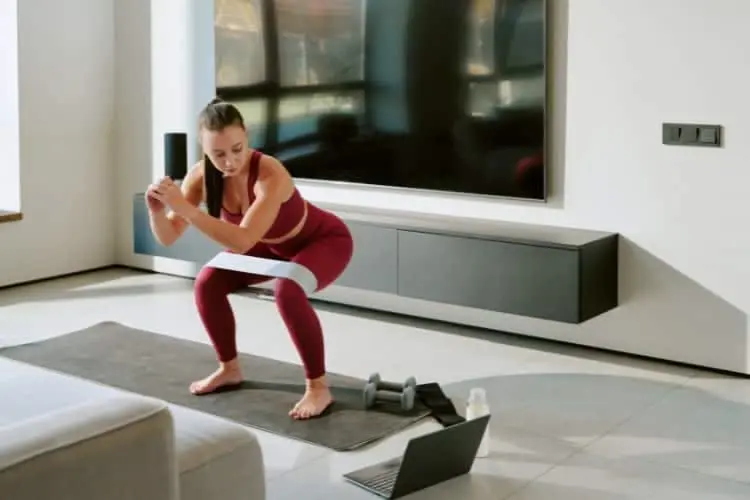
Unlike gym-based programs, a home workout plan focuses on accessibility and simplicity. It often relies on bodyweight exercises like push-ups, squats, and planks, although simple equipment such as resistance bands or dumbbells can also be included. The key idea is consistency and smart planning rather than complex machines or heavy weights.
Why is Home Workout Plan Important?

A home workout plan plays a vital role in maintaining a healthy lifestyle, especially for those with busy schedules. It ensures that you stay active without needing to step outside, making it easier to stick to a routine. Consistency is the most important factor in fitness, and having a plan at home helps eliminate excuses.
Additionally, a home workout plan promotes independence and discipline. You learn to take control of your fitness journey without relying on trainers or facilities. Over time, this builds confidence and encourages long-term commitment to health and wellness. It also reduces stress and improves mental clarity, making it beneficial beyond just physical fitness.
Detailed Step-by-Step Guide
Step 1: Set Clear Goals
Start by defining what you want to achieve. Your home workout plan should align with your goals, whether it is weight loss, muscle gain, or general fitness. Clear goals help you stay motivated and track your progress effectively.
Step 2: Choose Your Workout Type
Decide on the type of exercises you want to include. A balanced home workout plan should have strength training, cardio, and flexibility exercises. For example, you can combine squats, jumping jacks, and stretching routines in one session.
Step 3: Create a Weekly Schedule
Plan your workouts throughout the week. Beginners can start with three to four days, while intermediate individuals can aim for five to six days. Make sure to include rest days to allow your body to recover.
Step 4: Warm-Up Properly
Always begin with a warm-up to prepare your muscles. Simple movements like arm circles, light jogging in place, or dynamic stretches can help prevent injuries and improve performance.
Step 5: Perform Main Exercises
Focus on compound movements that target multiple muscle groups. Examples include:
- Push-ups for upper body
- Squats for lower body
- Planks for core
- Lunges for balance and strength
Step 6: Add Cardio
Include cardio exercises to improve heart health and burn calories. Activities like skipping, high knees, or burpees can be very effective in a home workout plan.
Step 7: Cool Down and Stretch
End your session with stretching exercises to relax your muscles and improve flexibility. This also reduces soreness and enhances recovery.
Step 8: Track Progress
Keep a record of your workouts, repetitions, and improvements. Tracking helps you stay accountable and adjust your home workout plan as needed.
Benefits of Home Workout Plan
- Saves time by eliminating travel to the gym
- Cost-effective with little to no equipment required
- Flexible schedule that fits your routine
- Comfortable and private environment
- Customizable according to fitness level
- Helps build discipline and consistency
- Improves physical and mental health
- Suitable for all age groups
Disadvantages / Risks
- Lack of professional supervision may lead to incorrect form
- Limited equipment can restrict advanced training
- Motivation can be challenging without a structured environment
- Risk of injury if exercises are not performed properly
- Distractions at home may affect consistency
- Progress may be slower without proper guidance
Common Mistakes to Avoid
One common mistake in a home workout plan is skipping warm-ups and cool-downs. Many people jump straight into exercises, which increases the risk of injury and reduces performance. Always prepare your body before starting and allow it to recover afterward.
Another mistake is inconsistency. Starting strong but failing to maintain a routine can limit results. Avoid setting unrealistic goals and instead focus on gradual progress. Additionally, poor form during exercises can cause strain, so it is important to learn proper techniques and practice them regularly.
FAQs
1. Can beginners follow a home workout plan?
Yes, a home workout plan is perfect for beginners. It allows you to start with basic exercises and gradually increase intensity. You can adjust the routine based on your comfort level and progress over time.
2. How long should a home workout session be?
A typical session can last between 30 to 60 minutes. Beginners can start with shorter sessions and gradually increase duration as their endurance improves.
3. Do I need equipment for a home workout plan?
No, many effective exercises use body weight only. However, adding simple equipment like dumbbells or resistance bands can enhance your routine.
4. How often should I work out at home?
It depends on your fitness level. Beginners can start with three days a week, while intermediate individuals can aim for five days with proper rest in between.
5. Can a home workout plan help with weight loss?
Yes, combining strength training and cardio in your home workout plan can help burn calories and promote weight loss. Consistency and proper diet are also important factors.
6. How can I stay motivated?
Set achievable goals, track your progress, and create a comfortable workout space. You can also vary your routine to keep it interesting and avoid boredom.
Expert Tips & Bonus Points
To get the most out of your home workout plan, focus on quality over quantity. Performing fewer repetitions with proper form is more effective than doing many with poor technique. Consistency is key, so aim to build a routine that you can maintain long-term.
Another useful tip is to mix different types of workouts to prevent boredom and plateaus. For example, alternate between strength training and cardio sessions. Additionally, stay hydrated and maintain a balanced diet to support your fitness goals. Small changes in your daily habits can significantly improve your results over time.
Conclusion
A well-structured home workout plan is a powerful tool for achieving your fitness goals without the need for a gym. It offers flexibility, affordability, and convenience, making it suitable for people of all fitness levels. By following a clear routine, setting realistic goals, and staying consistent, you can build strength, improve endurance, and enhance your overall well-being.
While there are some challenges, such as maintaining motivation and ensuring proper form, these can be overcome with discipline and awareness. The key is to stay committed and make fitness a regular part of your lifestyle. Over time, your home workout plan will not only transform your body but also boost your confidence and mental health. Start small, stay consistent, and enjoy the journey toward a healthier and more active life.
